Colleges of Distinction
|
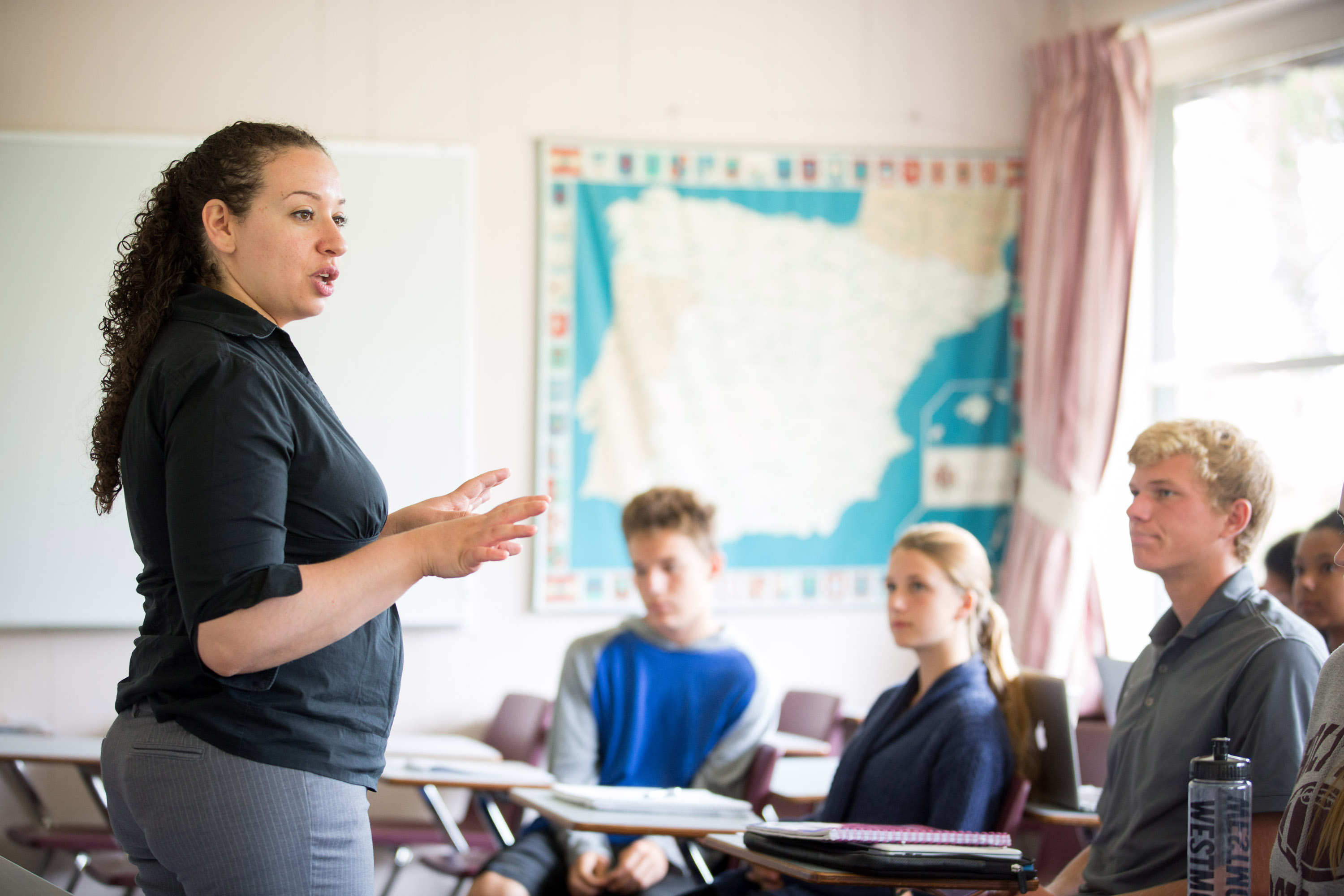
The 2026-2027 Education College of Distinction award recognizes Westmont’s proven ability to graduate confident, compassionate and classroom-ready teachers. |
Alumni Stories
Nicole Aoki ’20, “My professors were able to cater to my individual needs as a student teacher, and they knew me well enough to pair me with a cooperating teacher who complemented my teaching style. Additionally, the courses I took during the credential program were relevant to what I experienced in student teaching. With extensive knowledge about the Common Core State Standards and with the practice of lesson planning during the credential program, I felt better prepared with the rest of my responsibilities in the classroom.”
Kelly Vivanco ’23, “The professors very intentionally invest in you not just as a student or future educator but as a whole person. I was deeply impacted not just by the way they taught me pedagogy but also in the way they inspired me in my core teaching philosophies.”
Kayla Monson ’19, “Westmont’s Credential Program is rich in practical application, relevant teaching strategies, and in preparing teaching candidates for the realities of the classroom. During my credential year, I received hands-on tools and experience through my ED courses, various field sites, observing my cooperating teachers, and through one-on-one mentoring from professors who observed and advised my teaching. One of the most meaningful aspects of my experience was completing the two-week take over in a 4th grade classroom. This was the best way to prepare me for what to expect as I entered a full-time teaching position. Westmont’s teaching program was a wonderful blessing and I would highly recommend it to anyone seeking to become a teacher.”
Career Opportunities
Most liberal studies majors pursue a teaching credential and begin a career as an elementary school teacher.
Secondary credentials are offered in
Art English History/Social Science Physical Education/ Kinesiology Music Mathematics | Science: Biology Chemistry Physics Spanish |
See Career Paths for Graduates Who Studied Liberal Studies at Westmont

Teaching Credential
Earn Your Degree and Teaching Credential in 4 Years
Become a knowledgeable, caring, Christian educator through our rigorous, highly practical and professional program
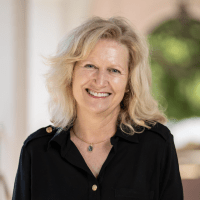
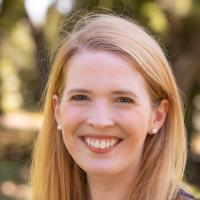
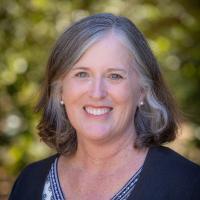
Faculty and Staff
Sample Tracks by Year
| Regular Track | Fast-Track |
|---|---|
Fall (13 units)
Spring (13 units)
| Fall (17 units)
Spring (17 units)
Mayterm (3-4 units)
|
| Regular Track | Fast Track |
|---|---|
Fall (16 units)
Spring (16 units)
| Fall (19 units -- overload)
Spring (18 units)
|
| Regular Track | Fast Track |
|---|---|
Fall (14 units)
Spring (15 units)
| Fall (18 units)
Spring (19 units -- overload)
|
| Regular Track | Fast Track |
|---|---|
Fall (18 units)
Spring (15 units)
| Fall (18 units) Graduate with 124 units in December
Spring (15 units ) Post graduate units
|
Liberal Studies Handbook
Westmont’s Liberal Studies major is a state-approved program for Elementary Subject Matter, aligned with the CSET examination that allows entry into a teacher preparation program for a Multiple Subject (Elementary) credential.